Cash, Cards, and Tax-Free Shopping in Japan
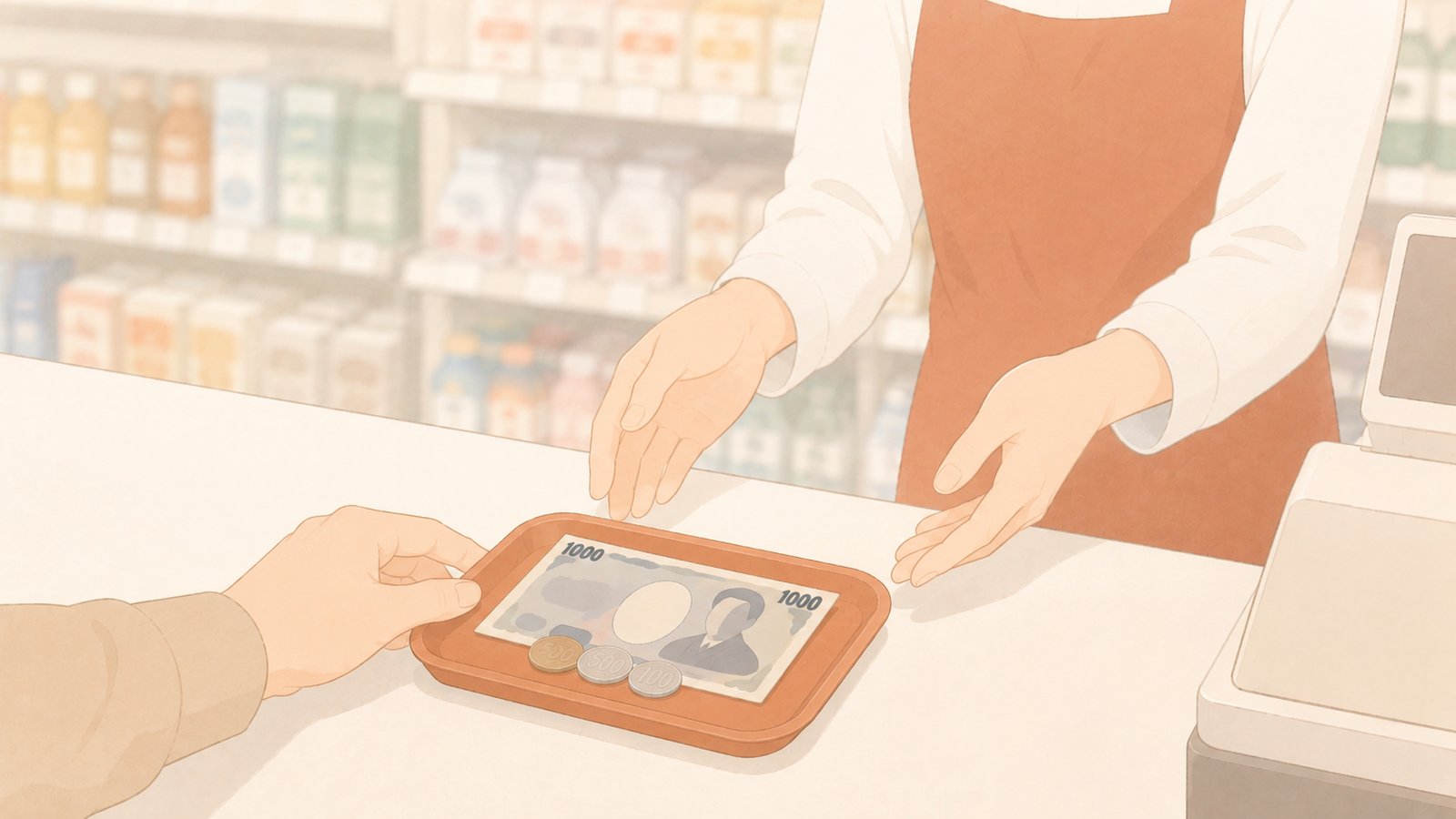
Japan's reputation as a cash-only country is out of date, but not entirely wrong. Cities are largely cashless now; small shops, shrines, rural areas, and many restaurants are not. The practical answer is to carry both.
1. How much cash to carry
A comfortable baseline is ¥10,000–20,000 per person in your wallet, topped up when it runs low. Places that commonly require cash:
- Small and family-run restaurants, ramen shops, market stalls
- Temples and shrines (admission, omikuji, goshuin)
- Some taxis outside major cities, local buses in rural areas
- Coin lockers, older vending machines, laundromats
- Small ryokan and guesthouses
Topping up a physical IC card at a machine also requires cash.
2. Where cards work
Visa and Mastercard are accepted at hotels, department stores, chain restaurants, convenience stores, most taxis in big cities, and train ticket machines. American Express and Discover are less widely accepted. Contactless (tap) payment works wherever the terminal supports it, which is most chains now.
If a place does not take cards, it will usually say so at the entrance, often in English ("cash only").
3. ATMs that accept foreign cards
Most Japanese bank ATMs reject foreign cards. The ones that reliably work:
- 7-Eleven (Seven Bank ATMs) — in every 7-Eleven, 24 hours, English menus. The default choice.
- Japan Post ATMs — in post offices, also accept most foreign cards.
- Lawson and FamilyMart ATMs — most also work, but less consistently.
- Airport ATMs — fine, but rates at airport exchange counters are poor; use the ATM instead.
Withdrawal fees depend on your home bank. Taking out larger amounts less often is usually cheaper.
4. IC cards as a wallet
Your Suica or PASMO balance works at convenience stores, vending machines, many chain restaurants, and lockers. For small purchases it is faster than either cash or card. See our train guide for how to get one.
5. Tax-free shopping: the rules change on November 1, 2026
Short-term visitors can get Japan's 10% consumption tax back on purchases of ¥5,000 or more (before tax) at the same store on the same day, at shops displaying the "Tax-Free" logo. Bring your passport. The mechanics depend on when you travel:
Until October 31, 2026
The tax is deducted at the register. You pay the tax-free price and walk out. Consumables (food, cosmetics, medicine) are sealed in a bag that must stay sealed until you leave Japan.
From November 1, 2026
Japan switches to a refund system, similar to Europe:
- You pay the full price including tax at the store, and the purchase is recorded against your passport.
- Keep the goods and receipts with you — do not pack them in checked luggage before customs.
- Before departure, within 90 days of purchase, go through a customs confirmation (electronic kiosks at major airports). You may be asked to show the items.
- The refund is paid afterward by the store or its refund operator, typically to a card. Some operators may deduct a handling fee, so the refund may be less than the full 10%.
The sealed-bag rule and the distinction between consumables and general goods are abolished under the new system, but goods consumed in Japan are not eligible. Since April 2025, items shipped home by international parcel no longer qualify either; you must carry them out yourself.
6. Other money notes
- Prices are shown tax-inclusive on most shelves, but some show the pre-tax price larger with the tax-inclusive price small beneath it. Check before you are surprised at the register.
- Coins matter. ¥500 and ¥100 coins pay for a lot. A coin purse is useful.
- Exchange rates: convenience-store ATMs with your own bank card almost always beat currency exchange counters. Avoid exchanging at hotels.
- No tipping, anywhere. See the restaurant guide.
Quick checklist
| Do | Don't |
|---|---|
| Carry ¥10,000–20,000 in cash | Assume every restaurant takes cards |
| Use 7-Eleven ATMs | Exchange money at hotels or airports |
| Keep tax-free receipts and goods accessible | Pack tax-free goods in checked bags before customs |
| Bring your passport when shopping | Expect tax-free on items shipped home |
Turn this into a route you can follow
tabilogue lets you save spots in order and follow other travelers' routes on a map — so you know exactly where to go next. Ready to book? Klook has tickets, tours and transfers across Japan.
The Klook link above is an affiliate link.